Etiquette for Visiting Dzongs, Monasteries, Temples, and Festivals in Bhutan
Bhutan is a land where spirituality is woven into daily life. Dzongs, monasteries, temples, and vibrant religious festivals are not simply attractions but living spaces of devotion, governance, and community. Visiting these places offers deep insight into Bhutanese culture, but it also comes with a responsibility to behave with awareness and respect.
Understanding local etiquette enhances your experience and shows appreciation for the traditions that have been preserved for centuries. This guide explains how to visit Bhutan's sacred and cultural spaces thoughtfully and confidently.
Understanding Sacred Spaces in Bhutan
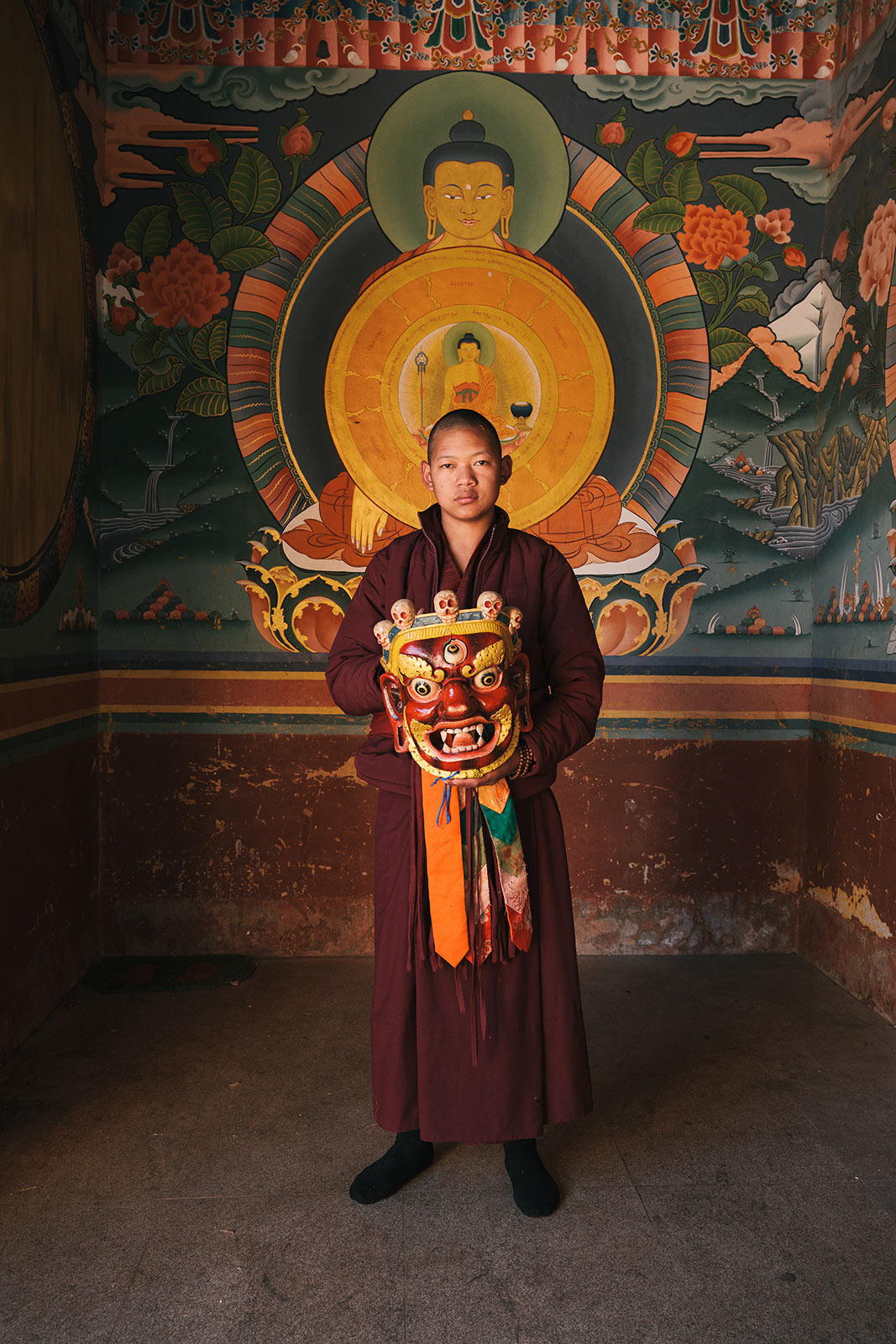
Dzongs serve as both religious and administrative centers, monasteries are places of meditation and monastic life, and temples are sites of daily worship. Festivals known as tsechus bring communities together through sacred dances, rituals, and blessings.
These spaces are active and meaningful to locals. Visitors are welcomed warmly, but respectful conduct is essential in maintaining their sanctity.
Dress Code and Appearance
Dressing appropriately is one of the most important aspects of etiquette in Bhutan.
When visiting dzongs, monasteries, and temples, clothing should be modest and neat. Shoulders and knees should be covered, and clothing should not be tight or revealing. Long pants or skirts paired with shirts that cover the shoulders are ideal.
At festivals, traditional attire is appreciated but not required. Clean and respectful clothing is sufficient, especially when attending religious ceremonies or entering temple courtyards.
Hats should be removed before entering sacred areas, and sunglasses should be taken off inside temples as a sign of respect.
Entering and Moving Within Sacred Sites
Before entering temples or prayer halls, shoes must be removed. Your guide will indicate where footwear should be left.
Inside religious spaces, walk calmly and avoid rushing. Always move clockwise around altars, prayer wheels, stupas, and sacred objects, as this direction is considered auspicious.
Sitting is usually allowed, but it is best to avoid pointing your feet toward statues, altars, or monks. When seated, folding legs to the side or sitting cross-legged is preferred.
Behavior and Conduct
Silence and mindfulness are deeply valued in Bhutan's sacred places. Conversations should be kept quiet, and phones should be switched to silent mode.
Physical displays of affection are not appropriate within religious sites. Smoking, eating, or drinking inside sacred compounds is strictly prohibited.
If monks or locals are praying, observe respectfully from a distance without interrupting.
Photography and Recording
Photography rules vary by location. In most temples and prayer halls, photography is not permitted. Even where allowed, flash photography should never be used.
Always ask your guide before taking photos, especially during festivals or when monks are performing rituals. Some moments are considered sacred and should be experienced without a camera.
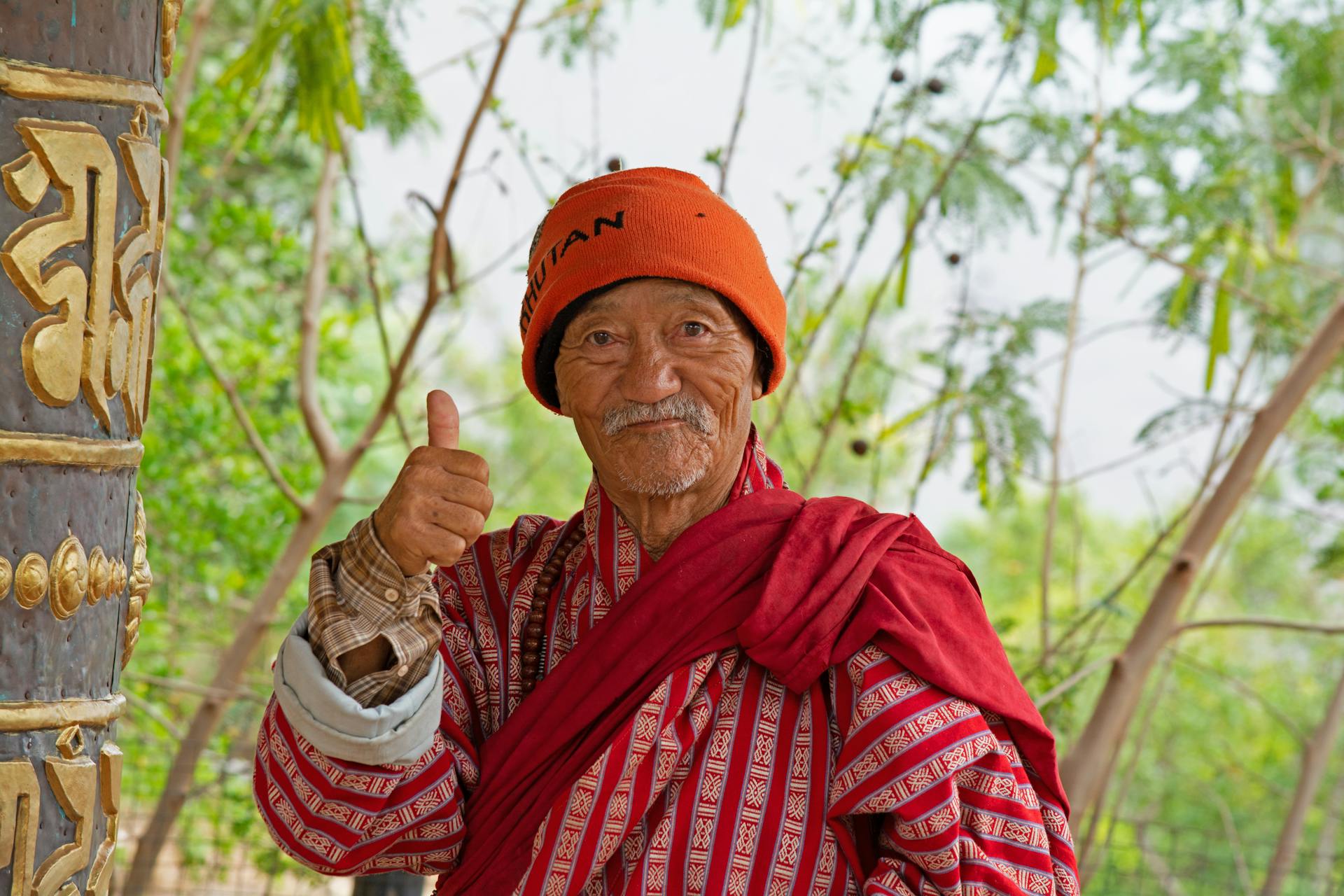
When photographing people, especially monks or elderly locals, it is polite to ask for permission first.
Interacting with Monks and Locals
Monks are generally approachable and kind, but interactions should remain respectful. Avoid touching monks or their robes. If offering or receiving something, use both hands as a sign of respect.
Women should be mindful not to touch monks, as physical contact is traditionally avoided.
Greetings are often simple and warm. A gentle bow or a quiet greeting is appreciated more than loud enthusiasm.
Etiquette During Festivals and Tsechus
Festivals are joyful yet sacred occasions. While they are lively and colorful, they remain religious events at heart.
Arrive early to secure seating and avoid walking in front of performers during masked dances. Standing on temple steps or restricted areas is discouraged.
Food and drinks should be consumed only in designated areas. Littering is considered highly disrespectful.
Children, elders, and monks should be given priority seating whenever possible.
Offerings and Donations
Making small offerings at temples or festivals is welcome but never required. If you wish to offer butter lamps, cash donations, or ceremonial scarves known as khadar, your guide can assist you.
Offerings should be made quietly and respectfully without drawing attention.
Following Your Guide's Guidance
Your local guide plays an important role in helping you navigate cultural norms. Always follow their instructions regarding behavior, photography, and movement within sacred spaces.
If you are unsure about what is appropriate, it is perfectly acceptable to ask your guide before acting.
Why Etiquette Matters
Respectful behavior helps preserve Bhutan's living traditions and ensures that sacred spaces remain open and welcoming to future generations. Thoughtful visitors are deeply appreciated, and small gestures of respect often lead to meaningful cultural exchanges.
By observing proper etiquette, you are not just visiting Bhutan. You are participating in its living heritage.
Final Thoughts
Visiting dzongs, monasteries, temples, and festivals in Bhutan is a privilege. These places offer moments of quiet reflection, cultural understanding, and spiritual connection.
Approaching them with humility and respect allows for a richer and more authentic experience—one that goes beyond observation and becomes a shared moment of understanding.
Planning to explore Bhutan's sacred sites and festivals? Connect with Inscape Journeys to experience these cultural treasures with knowledgeable local guides who help you engage respectfully and meaningfully at every step.