Exploring Punakha: Bhutan's Ancient Winter Capital
While Thimphu serves as Bhutan's modern capital, the lush Punakha Valley holds a special place in the kingdom's heart as its ancient winter seat of government. Sitting at a warmer, lower elevation than the rest of central Bhutan, this fertile valley offers a gentler climate, stunning rice terraces, and what many consider the country's most beautiful dzong. A journey to Punakha reveals layers of history, spirituality, and natural beauty that capture the essence of Bhutan.
The Jewel of Punakha: Punakha Dzong
A Masterpiece of Bhutanese Architecture
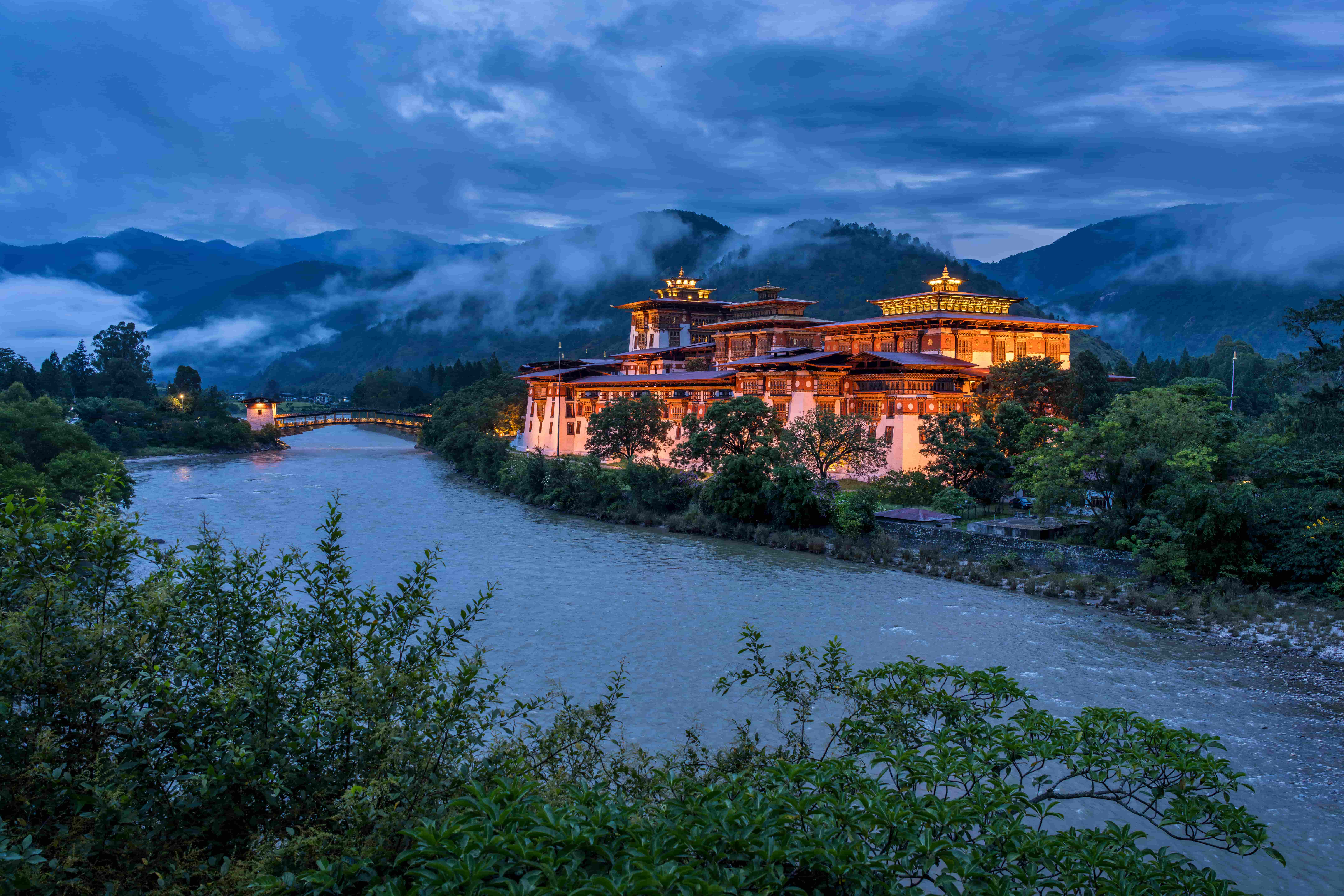
Punakha Dzong, formally known as Pungthang Dewachen Phodrang (Palace of Great Happiness), stands at the confluence of the Pho Chhu (father river) and Mo Chhu (mother river). Built in 1637 by Zhabdrung Ngawang Namgyal, the unifier of Bhutan, this fortress monastery represents one of the finest examples of Bhutanese architecture.
The dzong's strategic position between two rivers made it nearly impregnable to historical invaders. Today, its white-washed walls, golden roofs, and intricate woodwork create a stunning visual contrast against the surrounding emerald rice paddies and forested hills.
Historical Significance
Until 1955, Punakha served as Bhutan's capital and remains the winter residence of the Je Khenpo (Chief Abbot) and the central monk body. The dzong witnessed:
- The coronation of Bhutan's first king in 1907
- The royal wedding of King Jigme Khesar Namgyel Wangchuck in 2011
- Centuries of political and religious ceremonies that shaped modern Bhutan
Exploring the Dzong
Visitors enter through massive wooden doors adorned with traditional Bhutanese motifs. Inside, the courtyard opens to reveal:
The Central Tower (Utse): Six stories of stunning religious art, housing sacred relics and ancient scriptures
The Main Temple: Home to exquisite murals depicting Buddhist teachings and Bhutanese history
The Coronation Hall: Where Bhutan's monarchs have been crowned, featuring elaborate decorations and historical artifacts
Suspended Bridge: A traditional wooden cantilever bridge leading to the dzong, offering perfect photography angles
Dress modestly (covering shoulders and knees) and remove shoes before entering temple areas. Your guide will explain the significance of various shrines and artworks, bringing the dzong's rich history to life.
Natural Wonders of Punakha Valley
River Adventures
The convergence of the Pho Chhu and Mo Chhu creates opportunities for:
White Water Rafting: Gentle class II-III rapids suitable for beginners, floating past rice terraces and traditional villages. The best season runs from March to May when snowmelt swells the rivers.
River Kayaking: More experienced paddlers can navigate challenging sections while soaking in Himalayan views.
Riverside Walks: Peaceful trails follow the riverbanks, passing prayer wheels and suspension bridges.
The Longest Suspension Bridge
Spanning 180 meters across the Pho Chhu, this pedestrian suspension bridge connects Punakha town with surrounding villages. Prayer flags strung along its length flutter in the valley breeze, creating a colorful welcome. The bridge sways gently as you cross—thrilling but perfectly safe. From the center, views encompass the entire valley, with the dzong positioned majestically downstream.
Rice Terraces and Agricultural Life
Punakha's subtropical climate supports Bhutan's most productive rice cultivation. Visit during:
Spring (April-May): Farmers plant new crops, working in coordinated groups across flooded terraces that mirror the sky
Summer (June-August): Lush green paddies blanket the valley in every shade of emerald
Autumn (September-October): Golden harvest season when rice is cut, bundled, and threshed using traditional methods
Walking through these landscapes offers glimpses of agricultural life unchanged for generations. Farmers often welcome visitors to observe planting or harvesting, especially if your guide facilitates introductions.
Cultural Experiences
Chimi Lhakhang: The Fertility Temple
A 30-minute walk through rice fields brings you to Chimi Lhakhang, dedicated to the "Divine Madman" Lama Drukpa Kunley. This 15th-century saint used unconventional methods—including humor, songs, and outrageous behavior—to teach Buddhist principles.
The temple has become a pilgrimage site for couples seeking fertility blessings. Monks offer prayers and blessings using a wooden phallus, a symbol associated with Drukpa Kunley's teachings. The surrounding village homes are decorated with colorful phallic paintings, believed to ward off evil spirits.
The walk itself enchants visitors, passing through:
- Terraced fields with farmers tending crops
- Small villages with traditional homes
- Prayer wheels and chortens marking the path
- Panoramic valley views
Village Homestays
Several families in Punakha Valley welcome guests for homestay experiences. Spending a night in a traditional farmhouse offers intimate cultural exchange:
- Share meals of red rice, ema datshi, and local vegetables
- Learn about daily farming routines and seasonal traditions
- Experience Bhutanese hospitality in its most genuine form
- Sleep in rooms with traditional decor and wood-burning stoves
Homestays provide a stark, enriching contrast to hotel accommodations, revealing rural Bhutanese life beyond tourist attractions.
Traditional Crafts
Punakha area is known for:
Bamboo Weaving: Artisans craft baskets, mats, and decorative items using traditional techniques passed through families
Rice Paper Making: A few workshops continue this ancient craft, creating paper from local plants for religious texts
Wood Carving: Skilled craftsmen produce the intricate decorative elements seen in dzongs and temples
Arranging workshop visits through your guide supports local artisans and offers hands-on cultural learning.
Trekking and Hiking
Khamsum Yulley Namgyal Chorten Hike
This 1-2 hour round-trip hike climbs through pine forests and rice terraces to reach a stunning three-story temple built in 1990. The chorten (stupa) features four distinct temple levels, each with unique iconography and artwork.
The climb is moderate but rewarding, culminating in 360-degree views of the Punakha Valley, the dzong, and surrounding mountains. The temple's peaceful atmosphere and artistic details make this more than just a viewpoint—it's a spiritual experience.
Best Time: Early morning or late afternoon for optimal light and temperatures
What to Bring: Water, camera, sun protection, modest clothing for temple entry
Sangchhen Dorji Lhuendrup Nunnery
Set on a ridge overlooking Punakha and Wangdue valleys, this nunnery houses the largest statue of Avalokiteshvara (Buddha of Compassion) in Bhutan. The 14-foot bronze statue is flanked by thousands of smaller statues, creating a breathtaking sight.
The nunnery provides education and spiritual training for young nuns from across Bhutan. Visitors can observe prayer sessions and learn about monastic life. The views from the nunnery terrace sweep across both valleys and up toward the Black Mountains.
Multi-Day Treks
Punakha serves as a starting or ending point for several trekking routes:
Punakha-Gangtey Trek (3 days): Connects Punakha Valley with Phobjikha Valley through rhododendron forests and high passes
Nabji Trail (2-3 days): Lower-altitude cultural trek through Jigme Singye Wangchuck National Park visiting ancient villages
Seasonal Highlights
Winter (December-February)
The warmest time in Punakha, making it perfect when other regions freeze. The Je Khenpo and monk body reside here, bringing vibrant religious activity. Jacaranda trees bloom with purple flowers, adding unexpected color to the winter landscape.
Spring (March-May)
Wildflowers blanket hillsides, farmers plant rice, and rivers run full with snowmelt—ideal for rafting. The Punakha Drubchen and Tshechu festivals (typically late February or early March) bring elaborate celebrations to the dzong.
Summer (June-August)
Monsoon rains keep the valley lush but can interrupt activities. This is Bhutan's quiet season with fewer tourists and lower prices. The green intensity of rice paddies reaches its peak.
Autumn (September-November)
Harvest season offers golden landscapes and pleasant weather. Clear skies provide excellent mountain views, and cultural festivals dot the calendar across Bhutan.
Practical Information
Getting to Punakha
The drive from Thimphu takes approximately 3 hours, crossing the spectacular Dochula Pass (3,100m) adorned with 108 memorial chortens. On clear days, the pass offers panoramic views of the eastern Himalayas including several peaks above 7,000 meters.
The descent into Punakha Valley is equally dramatic, dropping from alpine environment to subtropical warmth, passing through different vegetation zones in a matter of kilometers.
Where to Stay
Punakha offers accommodation ranging from luxury resorts to budget guesthouses:
Luxury: COMO Uma Punakha and Amankora Punakha provide five-star comfort with stunning valley views
Mid-range: Several boutique hotels along the river offer comfort and authentic Bhutanese architecture
Budget: Guesthouses in town provide clean, simple accommodations
Unique: Riverside camping and farmhouse homestays for adventurous travelers
Dining
Hotel restaurants serve mixed Bhutanese and international cuisine. For authentic local food, ask your guide to recommend:
- Small family-run restaurants serving traditional dishes
- Ema datshi (chilies and cheese) made with local peppers
- Red rice grown in Punakha's terraces
- Fresh river fish preparations
Combining Punakha with Your Itinerary
Most visitors spend 1-2 nights in Punakha Valley as part of a broader Bhutan journey. Ideal combinations include:
Classic Route: Paro → Thimphu → Punakha → Paro (6-8 days)
Central Valleys Circuit: Paro → Thimphu → Punakha → Phobjikha → Bumthang → return (10-14 days)
Festival Focus: Time your visit for Punakha Tshechu, then continue to other festival locations
Why Punakha Captivates
There's something magical about Punakha Valley that transcends its individual attractions. Perhaps it's the gentler climate that makes exploration more comfortable, or the way the dzong seems to float between two rivers. Maybe it's the agricultural rhythms that connect you to timeless patterns of life, or the warmth of villagers who still wave at passing travelers.
Whatever the reason, most visitors find Punakha becomes their favorite Bhutanese destination—a place where culture, nature, and spirituality blend seamlessly, where the pace slows enough to truly see, and where Bhutan's essential character reveals itself in rice paddies, riverside temples, and the majestic dzong presiding over it all.
Ready to explore Punakha Valley and discover why it holds such a special place in Bhutan's heart? Contact Inscape Journeys to craft your personalized journey with local guides who call these valleys home.