Eastern Bhutan: Discovering the Hidden Ranjung Monastery
While most travelers to Bhutan focus on the western valleys of Paro, Thimphu, and Punakha, those who venture east discover a different Bhutan—more remote, less touristed, and deeply traditional. At the heart of this region lies Ranjung Monastery, a sacred site that offers not just spiritual significance but a window into Eastern Bhutan's distinct culture and landscape.
The Journey East: A Different Bhutan
Eastern Bhutan differs markedly from the west. The landscape becomes more rugged, roads wind through wilder terrain, and villages seem caught in time. Here, traditional life continues largely unchanged, and the influence of modern tourism remains minimal.
The Long Road
The journey to Ranjung typically begins from Thimphu or Punakha, following the east-west highway that threads through mountain passes and river valleys. The drive takes 2-3 days with overnight stops in Bumthang or Mongar, but the journey itself becomes part of the adventure.
Along the way, you'll cross dramatic passes:
- Yotong La (3,400m): Often shrouded in clouds, prayer flags whip in the wind
- Thrumshingla Pass (3,750m): The highest motorable pass, gateway to the east
- Kori La (2,450m): Overlooking the dramatic Kuri Chhu valley
Cultural Shifts
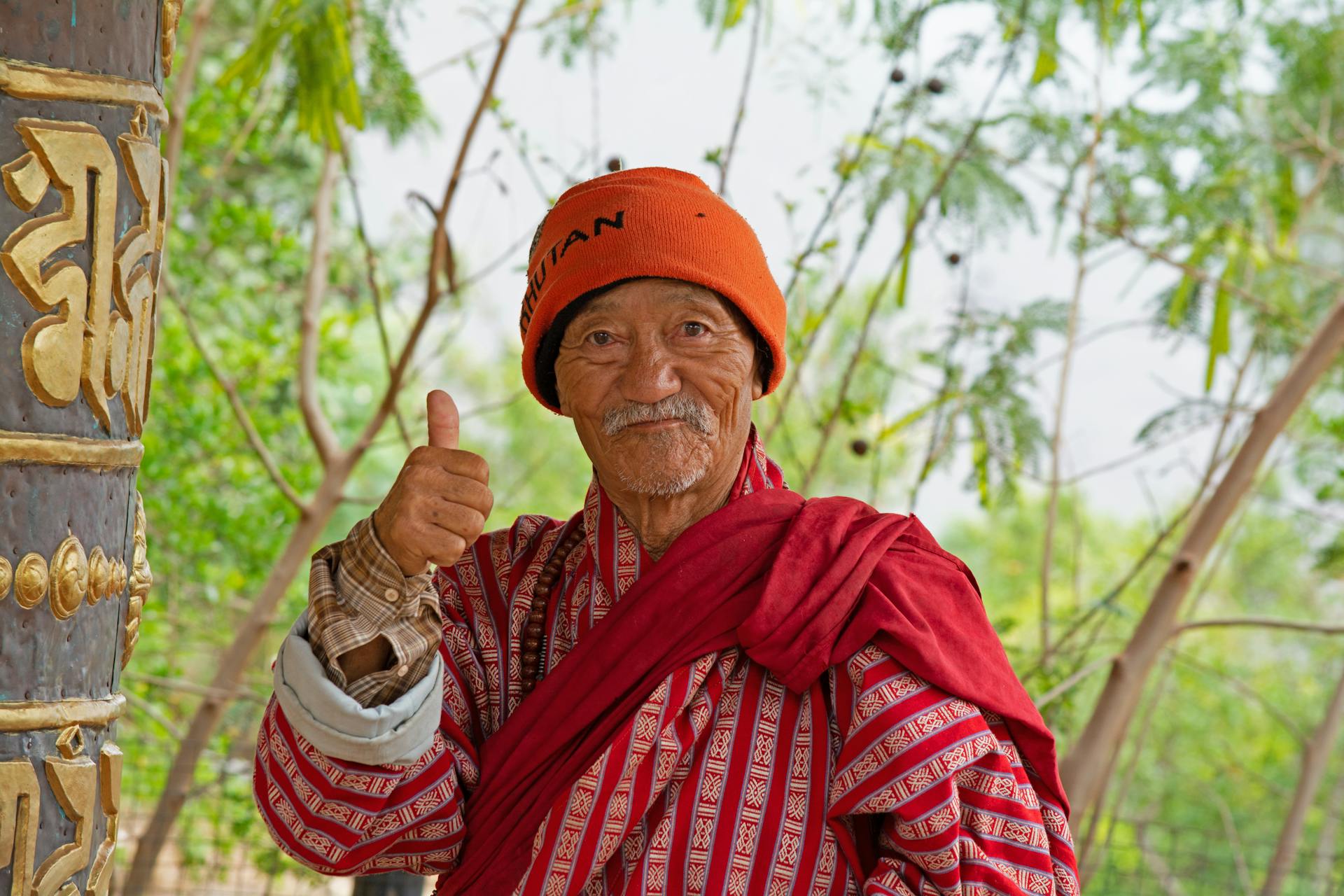
As you travel east, you notice cultural differences. The Sharchokpa people of the east speak different dialects, wear distinct dress, and maintain unique traditions. Their hospitality is legendary—don't be surprised if locals invite you for ara (local rice wine) and conversation.
Ranjung Monastery: Sacred Heritage
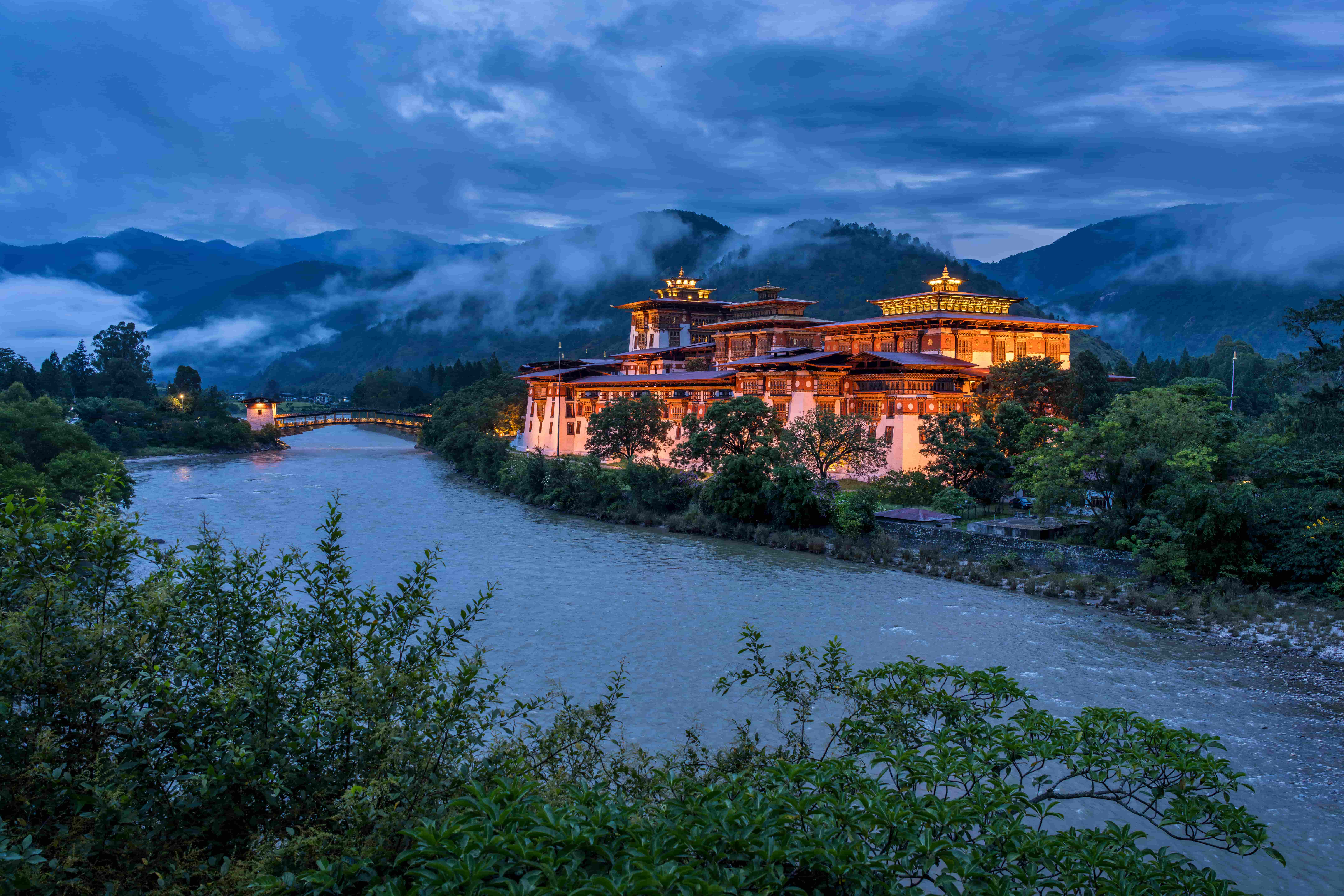
Perched on a hillside above the town of Ranjung in Trashigang district, this monastery complex holds special significance in Bhutanese Buddhism.
Historical Significance
Ranjung Monastery was established in the 16th century and is associated with several important lamas in Bhutanese Buddhist history. The monastery belongs to the Drukpa Kagyu school and serves as an important center for Buddhist learning and practice in the region.
Architectural Beauty
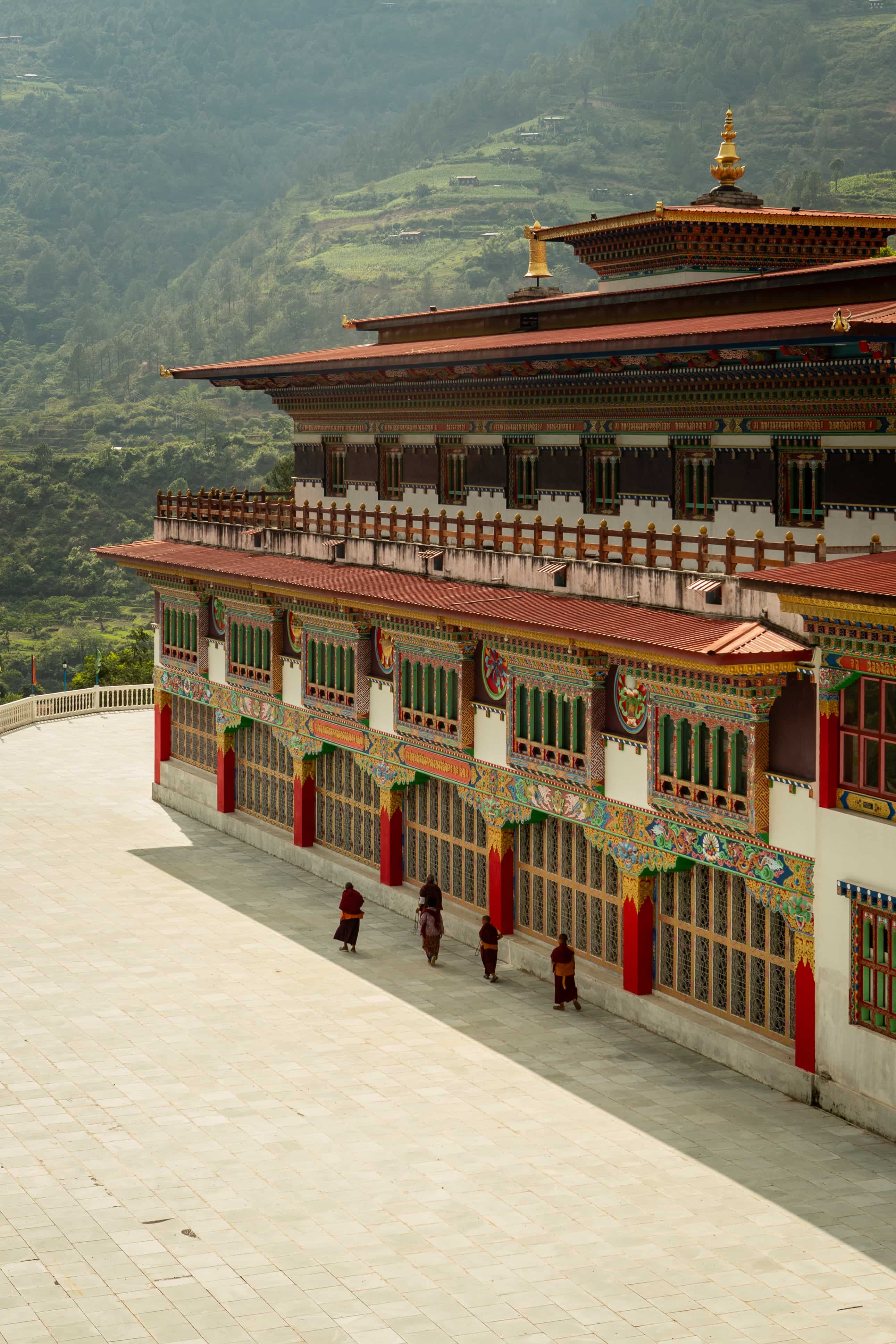
The monastery complex showcases traditional eastern Bhutanese architecture with its own regional characteristics. The main temple features elaborate wood carvings, ancient murals, and statues that have stood for centuries. Unlike more famous western monasteries, Ranjung remains delightfully uncommercialized, allowing for authentic encounters with monastic life.
Spiritual Practice
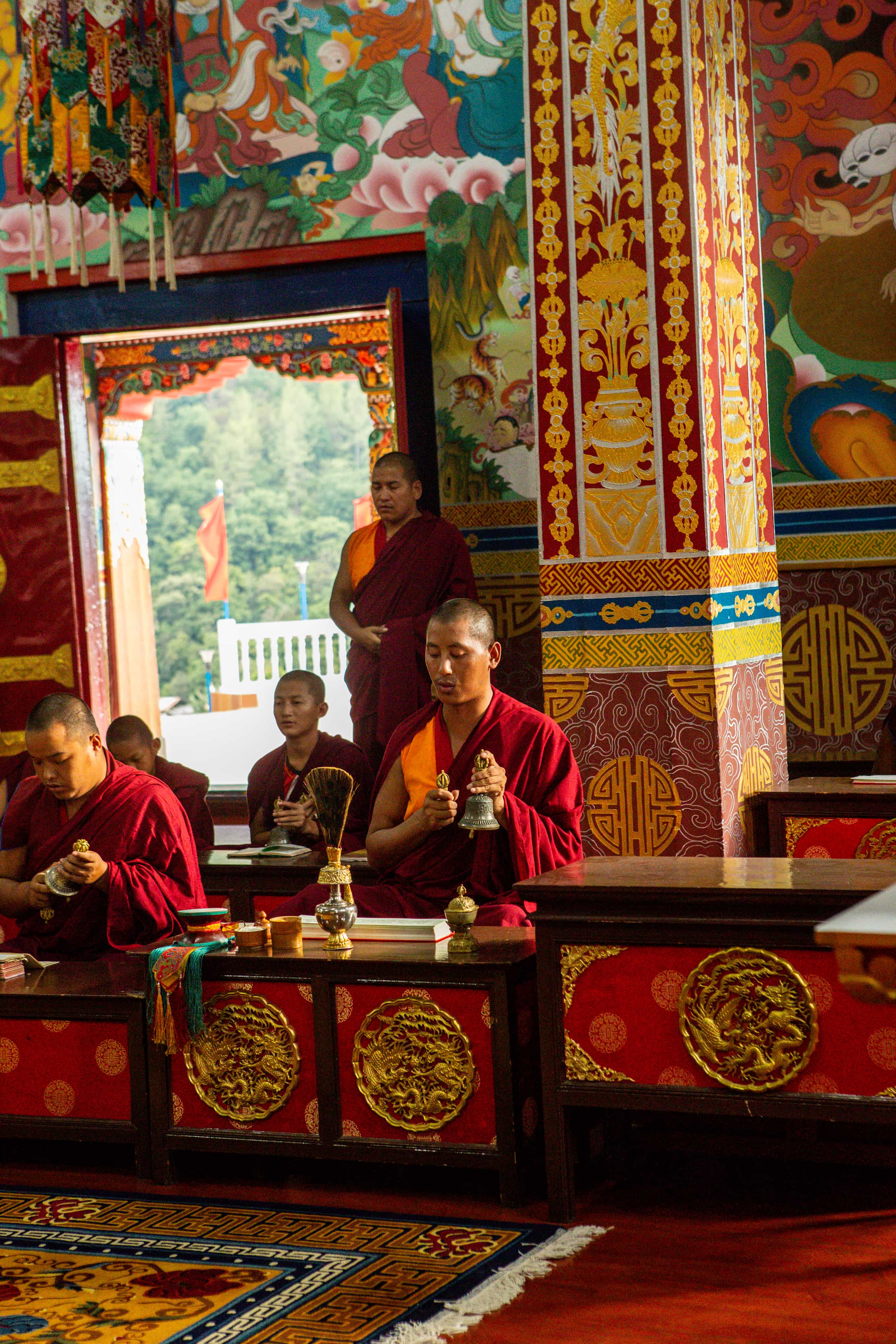
Ranjung remains a functioning monastery with a community of monks who follow strict daily routines of prayer, study, and meditation. If you visit respectfully and at appropriate times, monks may welcome you to observe morning prayers or afternoon teaching sessions.
Exploring the Region
Ranjung Town
The small market town below the monastery offers glimpses of authentic eastern Bhutanese life. Small shops sell local goods, farmers bring produce from surrounding villages, and traditional houses cluster along hillsides. The pace is slow, interactions are warm, and tourism infrastructure is minimal—exactly what makes it special.
Nearby Villages
The countryside around Ranjung features scattered villages where life continues much as it has for generations. Rice terraces climb hillsides, traditional houses are built from mud and stone, and villagers work their fields using methods passed down through centuries.
Radhi Village
About 20 kilometers from Ranjung, Radhi is famous for raw silk production. Women here weave exceptional textiles using silk from locally raised silkworms. Visiting Radhi offers opportunities to see traditional weaving and purchase directly from artisans.
Gom Kora Temple
This sacred site near Ranjung draws pilgrims from across the eastern regions. The temple is built around a large rock believed to bear the imprint of Guru Rinpoche. An annual festival here brings together communities from surrounding areas for celebrations featuring masked dances and traditional rituals.
The Eastern Experience
Authentic Encounters
In eastern Bhutan, tourism remains rare enough that your presence generates genuine interest and curiosity. Locals are friendly and welcoming, often eager to share their culture with the few visitors who make the journey east.
Traditional Life
Here, you're more likely to see:
- Women weaving on traditional looms outside their homes
- Farmers working rice paddies with wooden plows and oxen
- Village archery matches on weekend afternoons
- Traditional houses with hand-painted murals and wooden shingles
- Festivals celebrated primarily for communities, not tourists
Remote Beauty
The landscapes of eastern Bhutan possess a wild beauty distinct from the more manicured west. Forests are denser, valleys deeper, and the sense of remoteness more pronounced. This is Bhutan for travelers who prioritize authenticity over comfort.
Planning Your Eastern Journey
Time Requirements
A proper visit to eastern Bhutan requires at least 5-7 extra days beyond a standard western Bhutan itinerary:
- 2-3 days for travel from west to east
- 2-3 days exploring the Trashigang/Ranjung area
- 1-2 days return travel (can be shorter flying from Yonphula)
Best Time to Visit
Spring (March-May)
- Blooming rhododendrons along mountain roads
- Pleasant temperatures
- Clear mountain views
Autumn (September-November)
- Post-monsoon clarity
- Comfortable weather for long drives
- Festival season in full swing
Avoid:
- Monsoon (June-August) when roads can be affected by landslides
- Deep winter (December-February) when high passes may close
Travel Logistics
Road Travel
- Long but scenic drives
- Overnight stops in central Bhutan (Bumthang, Mongar)
- Comfortable but winding mountain roads
- Opportunity to see rural Bhutan
Yonphula Airport
- Domestic flights from Paro
- Dramatically reduces travel time
- Weather dependent
- Limited schedule
Accommodation
Eastern Bhutan offers simpler accommodations than the west:
- Small guesthouses in Trashigang town
- Basic but clean hotels
- Possible homestays in villages (arranged through guides)
- Fewer amenities but genuine hospitality
What Makes It Worth the Journey
Unspoiled Authenticity
Eastern Bhutan offers what many travelers seek but rarely find—authentic cultural experiences largely unchanged by tourism. The long journey filters out casual visitors, meaning those who do arrive genuinely appreciate what they find.
Cultural Depth
With more time and fewer tourists, you can develop deeper connections. Monks at Ranjung may invite you for tea and conversation. Villagers might demonstrate traditional crafts. Your guide can facilitate meaningful cultural exchanges impossible in busier areas.
Off-the-Beaten-Path Adventure
For travelers who've "done" the main sites, eastern Bhutan offers new discoveries. Each village, monastery, and mountain pass feels like genuine exploration rather than following a well-worn tourist trail.
Responsible Travel in the East
As tourism in eastern Bhutan remains minimal, travelers bear special responsibility:
Cultural Sensitivity
- Dress modestly, especially at religious sites
- Ask permission before photographing people
- Remove shoes and hats in temples
- Follow guide's advice on local customs
Environmental Care
- Pack out all waste
- Use refillable water bottles
- Stick to established trails
- Respect wildlife and natural areas
Economic Impact
- Purchase crafts directly from artisans
- Hire local guides
- Support small guesthouses
- Purchase from local communities
Cultural Preservation
- Show genuine interest in traditions
- Ask thoughtful questions
- Share your culture respectfully
- Express appreciation for hospitality
Beyond Ranjung: Further East
If your time and interest allow, eastern Bhutan extends even further:
Trashi Yangtse
- Famous for wooden bowl making
- Chorten Kora stupa
- Remote valleys and forests
Merak and Sakteng
- Home to semi-nomadic Brokpa people
- Distinct dress and culture
- Requires special permits
Lhuentse
- Ancestral home of Bhutan's royal family
- Lhuentse Dzong
- Khoma village weaving tradition
The Return West: Changed Perspective
After experiencing eastern Bhutan, returning west provides interesting perspective. The busier western valleys now seem almost crowded. You appreciate both regions differently—the west for its developed infrastructure and major sites, the east for its authenticity and remoteness.
Who Should Visit Eastern Bhutan
The east is ideal for travelers who:
- Have already visited or will spend adequate time in western Bhutan
- Prioritize authentic experiences over comfort
- Enjoy long drives through spectacular scenery
- Want to support less-touristed regions
- Seek deeper cultural immersion
- Have flexible schedules (for potential weather delays)
- Appreciate the rewards of going off-the-beaten-path
Practical Tips
What to Bring
- Layers for varying temperatures
- Good walking shoes for monastery visits
- Camera with extra batteries (electricity can be unreliable)
- Sunscreen and sun protection
- Patience and flexibility
- Genuine curiosity and respect
Health Considerations
- Carry basic medications
- Bring hand sanitizer
- Drink bottled or filtered water
- Be prepared for simpler toilet facilities
Communication
- Cell coverage can be spotty
- Wifi rarely available
- Embrace being unplugged
Ready to venture beyond the typical Bhutan itinerary? We can design extended journeys that include eastern Bhutan, providing the time, expertise, and local connections to make your exploration meaningful and memorable.